Deadly Crisis: How Foxtails in Australian Parks Are Silently Killing Dogs
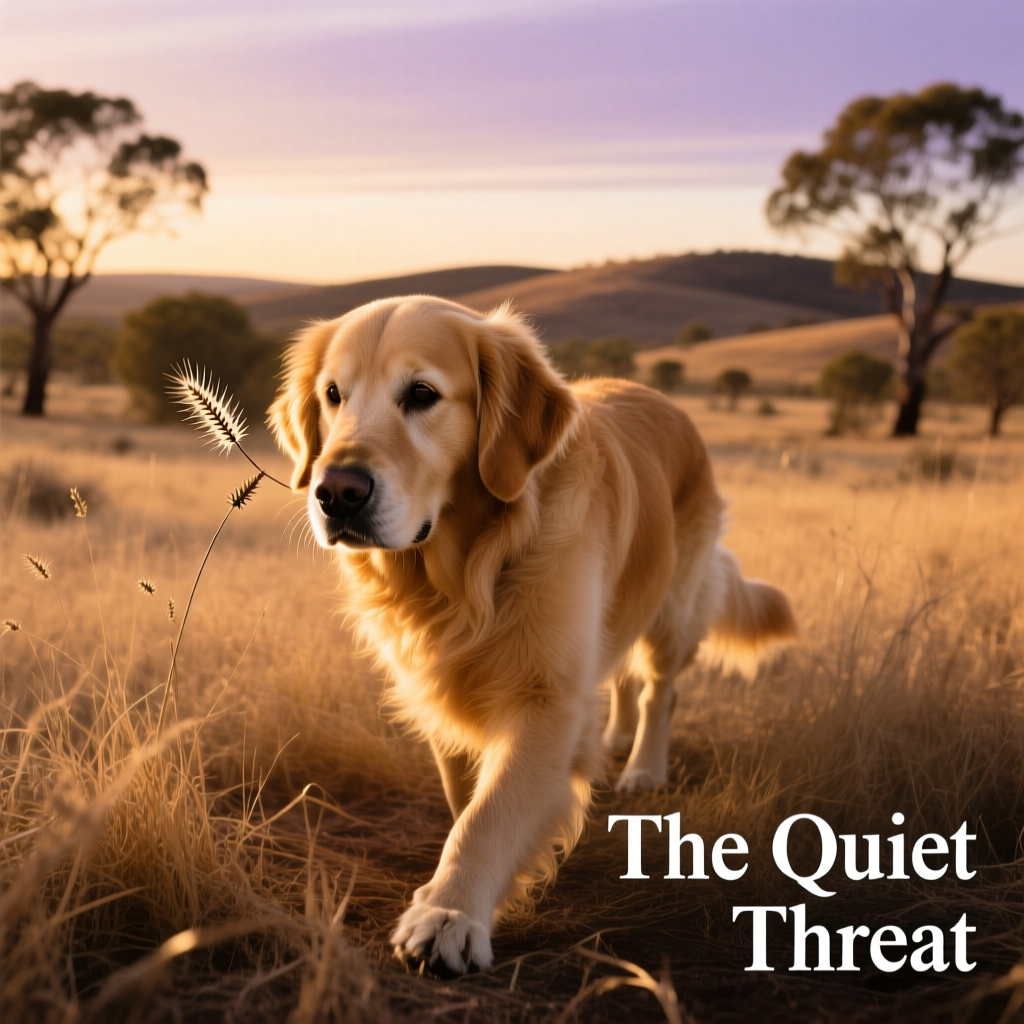
You know that sinking feeling. You're at your local off-leash park—maybe it's Centennial Park in Sydney, or the sprawling ovals in Melbourne's inner north. The sun is warm, your Kelpie is bounding through the long, dry grass, tongue lolling, tail a blur of pure joy. You feel a moment of peace.
Then, a few hours later, you notice it. A frantic lick. A paw held up, shaking. A sneeze that won't stop. A tiny, barbed seed—a foxtail—has just begun its silent, deadly journey.
As an Australian pet parent, you may already know deep down that the summer landscape, while beautiful, hides a predator. You've heard the horror stories from the vet. You've seen the posts on Facebook groups. But the reality is more urgent, more invasive, and more dangerous than most of us want to admit.
Imagine if a tiny, invisible enemy could enter your best mate's body, travel through their skin, and cause an infection that could cost them their life—or their eyesight. This isn't a scare tactic. This is the hidden war happening in every dry paddock and suburban park right now.
Let's change that. Let's make sure your next trip to the park ends with a tired, happy dog—not an emergency visit to the Vet.
The Silent Invader: Understanding the Foxtail
What exactly are we dealing with? It's not just a seed. It's a biological weapon designed by nature to burrow.
Foxtails are the seed heads of various grasses (most commonly Hordeum species, like Barley Grass, and Setaria). They look innocent enough—a fluffy, wheat-like spike. But under a microscope, they are covered in microscopic, backward-facing barbs.
Like a spear with hooks, they can only move in one direction: forward. They cannot be sneezed out. They cannot be licked out. They can only go deeper.
In the Australian context, the problem is amplified by our climate. After a wet spring, the grass grows lush and green. Then the summer heat hits. The grass dries out, the seeds harden, and they become brittle and sharp. This is when they become lethal.
The Australian Hotspots:
- Coastal NSW & QLD: The humid summers create perfect conditions for dense grass growth.
- Victoria & SA: Dry, hot summers turn paddocks into foxtail death traps.
- Perth & WA: The Mediterranean climate produces a long, dry season perfect for seed dispersal.
The Journey of a Foxtail: A Microscopic Horror Story
Let's walk through what happens when a foxtail finds its target. This isn't just a "scratch." This is a medical emergency.
Phase 1: The Entry (The Moment You Don't See) Your dog runs through a patch of dry grass. The barbed seed catches on their fur. It's not painful yet. It's just stuck. As your dog moves, the seed works its way through the fur towards the skin. The barbs catch on the hair follicles. It begins to drill.
Phase 2: The Invasion (The "Lick" That Means Trouble) Within hours, the seed has pierced the skin. The body's immune system goes into overdrive. The area becomes inflamed. Your dog starts licking, biting, or shaking their head. This is the first sign you'll notice.
Phase 3: The Migration (The Silent Killer) This is where it gets terrifying. The foxtail doesn't stay put. It migrates. The barbs act like a ratchet, pulling it deeper into the tissue.
- In the Paw: It can travel between the toes, through the webbing, and into the joint space, causing septic arthritis.
- In the Ear: It can travel down the ear canal, rupturing the eardrum and causing a middle ear infection.
- In the Nose: It can be inhaled and travel into the nasal cavity, even reaching the brain.
- In the Eye: It can get under the eyelid, scratching the cornea, or burrow behind the eye.
Phase 4: The Outcome (The Vet's Nightmare) The foxtail carries bacteria from the grass and soil. As it burrows, it creates a deep, infected tract (a sinus tract). The body tries to wall it off, but the seed keeps moving. The result is a painful abscess that won't heal until the foreign body is surgically removed.
The Australian Twist: Unlike a simple splinter, foxtails are invisible on X-rays. They are organic material. The only way to find them is through ultrasound, MRI, or exploratory surgery. This is why a foxtail infection can cost thousands of dollars and weeks of recovery.
The 5 Critical Symptoms You Must Watch For
Your dog can't tell you they're in pain. You have to be the detective. If you see any of these signs after a walk in long, dry grass, assume a foxtail until proven otherwise.
1. The Obsessive Lick or Chew
A dog licking their paw is normal. A dog that won't stop licking the same spot for hours is not.
- What to look for: A small, red, moist spot between the toes. It may look like a "lick granuloma" but it's a foxtail entry point.
- The test: Gently squeeze the area. If a drop of pus or blood appears, that's a red alert.
2. The Head Shake of Doom
A single head shake is normal. A persistent, violent head shaking, especially on one side, is a foxtail in the ear.
- What to look for: Your dog tilts their head to one side. They may scratch at their ear. The ear may be painful to touch.
- The danger: A foxtail in the ear can rupture the eardrum within 24 hours. This leads to permanent hearing loss and balance issues.
3. The Reverse Sneeze
A sudden, violent sneeze or "reverse sneeze" (snorting inwards) after a walk.
- What to look for: Pawing at the nose, nosebleed (even a tiny one), or a discharge from one nostril only.
- The danger: The foxtail is in the nasal passage. It can travel into the sinus cavity and towards the brain. This is a life-threatening emergency.
4. The Squinting Eye
A red, squinting, or watery eye.
- What to look for: Your dog keeps the eye partially closed. They may rub it on the carpet. The third eyelid may be raised.
- The danger: The foxtail is under the eyelid. It can scratch the cornea (corneal ulcer) or burrow behind the eye. This can lead to blindness or eye removal.
5. The Unexplained Lump
A sudden, painful lump on the body, neck, or face.
- What to look for: A warm, swollen area that is tender to the touch. It may feel like a marble under the skin.
- The danger: The foxtail has burrowed into the tissue and created an abscess. It is migrating deeper.
The 7-Step Prevention Protocol (Your Dog's Life Depends On This)
Prevention is not just about avoiding long grass. It's about creating a system. Adopt this protocol, and you reduce the risk by 90%.
Step 1: The "After-Walk" Inspection (The Non-Negotiable)
This is not optional. Every single walk in the bush, park, or paddock requires this.
- The Tool: A fine-toothed flea comb and a bright torch.
- The Process:
- Stand your dog on a light-coloured towel.
- Run the flea comb through their entire coat, especially the feathering on the legs, tail, and belly.
- Check between every single toe. Spread the toes and look for tiny brown or tan seeds.
- Check the armpits and groin area.
- Look inside the ears. Use the torch.
- Check the eyes and around the lips.
Step 2: The "No-Go Zones" Map
You need to know your local area. Not all parks are equal.
- High Risk: Unmown nature strips, dry paddocks, the edges of walking trails, areas near construction sites (where soil has been disturbed).
- Low Risk: Mown sports ovals, paved paths, beaches (sand), well-maintained gardens.
- Action: Walk your dog on the path, not through the long grass. If you must walk through a high-risk area, keep them on a short leash.
Step 3: The Grooming Armour
A well-groomed coat is a defensive coat.
- Long-haired breeds (Golden Retrievers, Cavoodles, etc.): Keep the fur between the toes and on the belly trimmed short. This is called a "paw pad shave" and a "sanitary trim."
- Short-haired breeds (Staffies, Kelpies): They are actually more at risk because the seeds can penetrate the skin more easily. Use a rubber grooming mitt to pull out loose seeds.
- Product Tip: Consider a "snood" or a lightweight dog coat to protect the chest and belly in high-risk areas.
Step 4: The "Foxtail-Proof" Footwear
For the truly high-risk environments (hunting, farm work, long bushwalks), consider dog boots.
- Australian Brand: Look for "Ruffwear" or "Pawtrekkers" available at Petbarn or PETstock.
- The Benefit: They protect the paws from seeds, hot asphalt, and burrs.
- The Catch: Your dog needs to be trained to wear them. Start slowly at home.
Step 5: The Garden Audit
Your backyard could be the source of the problem.
- Action: Walk your yard. Look for dry grass seed heads. Pull them out by the roots before they dry out.
- The Best Defence: Keep your lawn mown short during summer. Water your lawn to keep it green (if water restrictions allow). A green lawn is a safe lawn.
Step 6: The Seasonal Awareness Calendar
Foxtails are seasonal. Know the peak times.
- Spring (Sept-Nov): The grass flowers. The seeds are soft and green. Lower risk, but still present.
- Summer (Dec-Feb): THE PEAK. The seeds dry out, harden, and fall to the ground. This is the most dangerous time.
- Autumn (Mar-May): The seeds are on the ground. They remain dangerous for months.
- Winter (Jun-Aug): Lower risk, but seeds can still be found in sheltered areas.
Step 7: The Emergency Kit
Have a "foxtail emergency kit" in your car and at home.
- Contents: Fine-toothed comb, torch, tweezers (for seeds stuck in fur, not for seeds that have entered the skin), antiseptic wipes, a clean cloth, and the phone number of your 24-hour emergency vet.
The Emergency Protocol: What to Do RIGHT NOW
You've found a foxtail. Or you suspect one. Do not panic. Do not poke at it.
If the seed is visible but not embedded:
- Action: Use tweezers to gently pull it out in the direction it entered. Often, it's just stuck in the fur.
- Check: Look for a tiny puncture wound. If you see one, clean it with antiseptic and monitor for 24 hours.
If the seed is embedded (you can see it in the skin):
- DO NOT: Pull it out. The barbs will break off, leaving the tip inside. This causes a worse infection.
- DO: Cover the area with a clean, damp cloth. Keep your dog calm.
- GO: To the vet immediately. This is a same-day emergency.
If you see symptoms but no seed (the hidden foxtail):
- Action: This is the most dangerous scenario. Your dog is showing signs (licking, head shaking, sneezing) but you can't find the seed.
- DO NOT: Wait. "Wait and see" is the enemy here.
- GO: To the vet. Tell them: "I suspect a grass seed foreign body." They will sedate your dog and perform a thorough search. This may involve flushing the ear, scoping the nose, or using ultrasound.
The Vet's Perspective: What Happens at the Clinic?
If you take your dog to the vet with a suspected foxtail, here's what you can expect.
- History and Exam: The vet will ask about your walks and examine the painful area.
- Sedation: Most foxtail removals require sedation or general anaesthesia. Your dog needs to be completely still.
- The Search: The vet will use a special instrument (an otoscope for ears, an endoscope for noses) or a sterile probe to find the seed.
- The Removal: If visible, the seed is grasped and removed. If it has migrated, surgery may be needed to cut it out.
- Aftercare: Your dog will need antibiotics and pain relief. The wound will be left open to drain. Recovery takes 7-14 days.
The Cost:
- Simple removal (ear or skin): $150 - $400
- Surgical removal (paw or body): $800 - $2,500
- Advanced surgery (nasal or ocular): $2,000 - $5,000+
This is why prevention is not just about health. It's about your wallet and your peace of mind.
The Australian Products That Can Help
You don't have to fight this battle unarmed. Here are the products available in Australia that genuinely make a difference.
For Prevention:
- NexGard Spectra or Bravecto: These are for paralysis ticks and fleas. They do not prevent foxtails, but they prevent the secondary infections that foxtails can cause (tick paralysis is a separate emergency).
- Black Hawk or Advance Dog Food: A healthy dog with a strong immune system fights infection better. Good nutrition is your first line of defence.
- Paw Balm (e.g., "Paw Paw" or "Snooty Pooch"): Applied to the pads before a walk, it can help seeds slide off rather than stick.
For Grooming:
- Fine-Toothed Flea Comb: The single most effective tool for finding foxtails in the fur.
- Shedding Blade: Great for short-haired dogs to pull out loose seeds.
- Grooming Scissors: For trimming the fur between the toes and on the belly.
For Emergency:
- Vet's Best Dog Ear Cleaner: Use only if you suspect a seed in the ear and you are on your way to the vet. It can help flush the ear, but do not use it as a substitute for a vet visit.
- Saline Eye Wash: For flushing a suspected eye foxtail. Again, this is a first aid measure, not a cure.
The Future Pacing: Your New Normal
As you read this, you are already changing. You are becoming a more aware, more capable pet parent.
Imagine your next walk: You're at the park. The sun is warm. Your dog is running, but you're not anxious. You've done the inspection. You've mapped the safe zones. You have the comb in your bag. You know the symptoms. You have the vet's number saved.
When you get home, you do the 2-minute check. You find a single seed stuck in the fur. You remove it with the comb. You smile. You've won.
This is the new normal. It's not about living in fear. It's about living with awareness. It's about being the guardian your dog deserves.
The Final Word: Identity & Purpose
You are not just a dog owner. You are a protector. An Australian pet parent who understands the unique dangers of our beautiful, harsh land.
The foxtail is a silent killer. But you are louder. You are smarter. You are prepared.
The bond between you and your dog is eternal. It is built on trust, love, and the quiet promise that you will keep them safe.
Here is your action plan for today:
- Grab a comb. Go to your dog right now. Do a quick check. Just get in the habit.
- Save this article. Bookmark it. Share it with your dog-walking group. You may just save a life.
- Call your vet. Ask them if they have a "foxtail season" protocol. Know your local emergency vet's number by heart.
Your dog's life depends on a tiny seed. But your love is bigger than any seed.
Stay safe out there, Australia. The parks are calling. And now, you're ready.
Related Articles
The Ultimate Guide to Protecting Your Dog from Paralysis Ticks in NSW
Protect your furry mate from the deadly paralysis tick in New South Wales. This comprehensive guide covers prevention, symptoms, tick removal, and emergency action for Aussie dog owners.

Materialising the Bond: Can We Turn Our Pets into Plush Keepsakes to Keep Them Close?
When beloved pets like Shih Tzus pass away, how do we hold onto their warmth? Discover the healing power of custom plush toys and 3D pet art for Australian pet parents.

From Real to Eternal: A Tribute to DaoDao and the Art of Remembering
Explore the deep emotional journey of pet grief, the power of memory, and how 3D Pet Art transforms your beloved dog's likeness into an everlasting legacy.