The Ultimate Guide to Australian Summer Sunscreen for Dogs: Protect Your Mate from the Harsh Sun
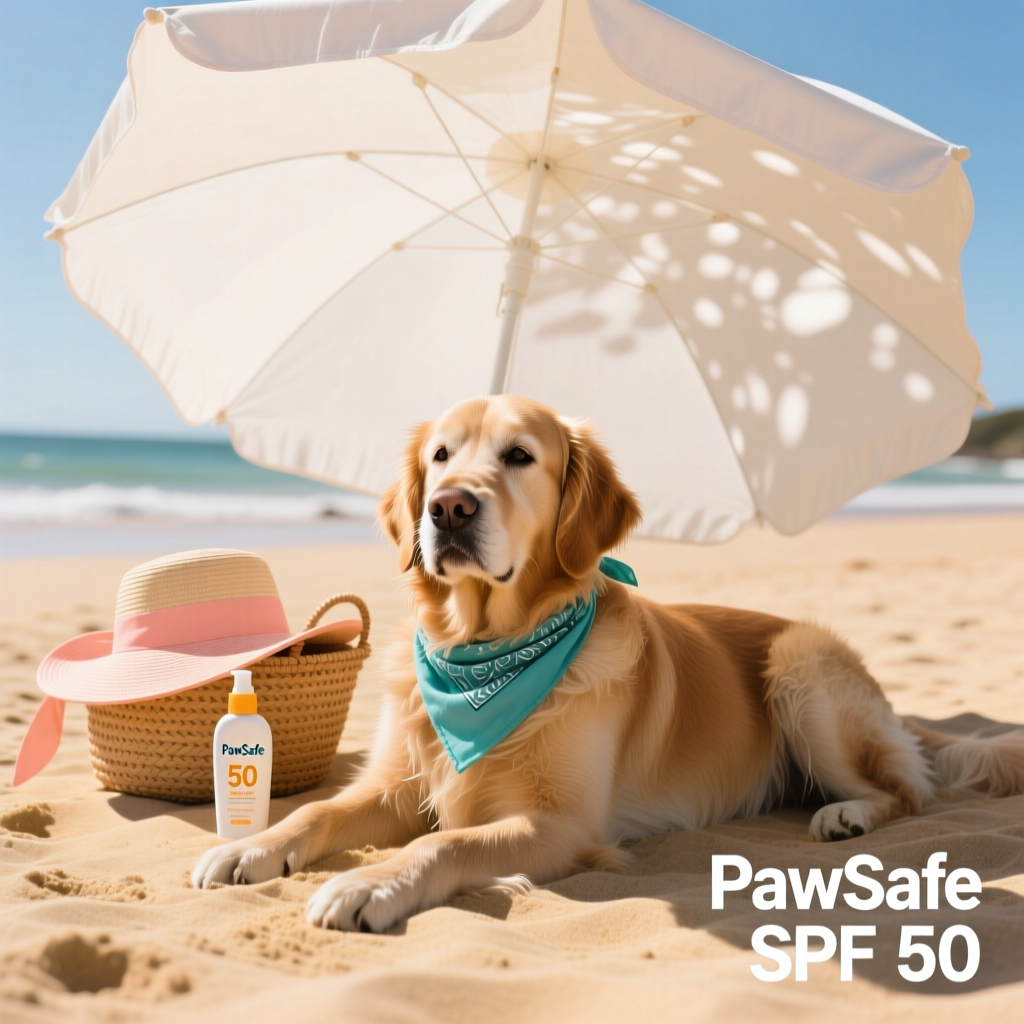
The Truth About Your Dog and the Australian Sun
You know that feeling when you step outside on a 40-degree January day in Sydney, and the sun feels like it's personally targeting you? Now imagine wearing a fur coat.
That's your dog's reality every single summer. As a responsible pet parent, you've probably already got the water bowl topped up, the shady spot ready, and you avoid walking during the peak UV hours. But there's one thing many of us overlook—and it could be a matter of life and death.
Skin cancer is real for dogs in Australia. It's not just a human problem.
You may already know deep down that your dog's nose, ears, belly, and those thin-haired spots are vulnerable. Maybe you've noticed a little redness after a day at the beach, or you've wondered if that new lump on their snout is something to worry about. You're not alone. Thousands of Australian dog owners grapple with this every summer.
As you read this, imagine the peace of mind that comes from knowing you've done everything possible to protect your four-legged best friend. Imagine slathering on a high-quality sunscreen designed for dogs, just like you do for yourself, and heading out for a day at Bondi without a single worry.
Let's fix this together.
Why Australian Dogs Need Sunscreen More Than Anywhere Else
Environment: The Harsh Reality Down Under
Australia has one of the highest rates of skin cancer in the world—for humans and animals. The ozone layer is thinner here, and UV radiation is intense. Combine that with our love for the outdoors, and you've got a recipe for trouble.
Behaviour: Where Dogs Get Burned
- Light-coloured dogs (white, cream, light golden) are at highest risk.
- Short-haired breeds (Staffies, Greyhounds, Boxers, Dalmatians) lack natural protection.
- Hairless breeds (Chinese Crested, Xoloitzcuintli) need full-body protection.
- Dogs with pink noses, light eyelids, and thin bellies are prime candidates for burns.
Capabilities: The Science of Canine Skin
Dog skin is thinner than human skin, and their fur offers less UV protection than you'd think. While a thick double coat (like a Husky's) provides decent coverage, short, single-layer coats are almost useless against the Australian sun. Dogs can get sunburned in as little as 15 minutes of direct exposure.
Identity: You Are Their Protector
You're not just a dog owner—you're their guardian. In Australia, we pride ourselves on being tough, but our dogs rely on us to be smart. Using sunscreen is part of being a responsible pet parent, just like microchipping, vaccinating, and feeding quality food like Black Hawk or Advance.
The Hidden Danger: Skin Cancer in Dogs
Deepening: The Story of Bella the Staffy
Let me tell you about Bella, a beautiful blue Staffordshire Bull Terrier from Brisbane. Her owner, Sarah, did everything right—daily walks, premium food, regular vet check-ups. But she never thought about sunscreen.
One summer, Bella developed a small, crusty spot on her nose. Sarah dismissed it as a scrape. Six months later, it had grown into a bleeding, painful mass. The diagnosis? Squamous cell carcinoma—a form of skin cancer.
Bella survived after surgery, but she lost part of her nose. Sarah now applies dog sunscreen religiously, and she tells every dog owner she meets: "Don't learn the hard way."
The Statistics (From Australian Vets)
- Squamous cell carcinoma is the most common skin cancer in dogs.
- Breeds with light pigmentation (white cats, light-coloured dogs) are 13 times more likely to develop it.
- Sun exposure is the primary cause.
- The cost of surgical removal? Anywhere from $500 to $3,000+ depending on complexity.
Beliefs: What You Need to Internalise
"My dog doesn't need sunscreen—they have fur." — False.
"Dogs don't get skin cancer." — Dangerously false.
"Human sunscreen works fine for dogs." — Absolutely not. Human sunscreens often contain zinc oxide or salicylates, which are toxic to dogs when licked.
Purpose: The Bond That Drives Us
You love your dog more than words can say. That unconditional love is the reason you're reading this. You want them to live a long, healthy, happy life. Sunscreen is a small, simple action that protects that bond.
The Best Dog Sunscreens Available in Australia
Intervention: Your Action Plan
Now let's get practical. Here are the top dog sunscreens you can buy in Australia right now, with honest pros, cons, and price comparisons.
1. Epi-Pet Sun Protector for Pets
The Gold Standard. Made in the USA, available in Australia via Petbarn and PETstock online.
- SPF Rating: 30+
- Formulation: Fragrance-free, non-greasy, water-resistant for 80 minutes
- Ingredients: Safe for dogs and horses, no zinc oxide, no PABA, no nanoparticles
- Size: 177ml spray bottle
- Price: $29.95 AUD (approx.)
- Affiliate Link: Buy at Petbarn
Pros:
- Veterinarian-recommended
- Safe if licked (small amounts)
- Easy spray application
- Works on all dog breeds
- Water-resistant (great for beach days)
Cons:
- Can be hard to find in physical stores
- Slightly more expensive than human sunscreens
- Some dogs dislike the spray sound
Verdict: This is our top pick. If you buy only one sunscreen, make it this one.
2. Petkin Doggy Sunscreen
The Budget-Friendly Option. Available at Petbarn and Woolworths.
- SPF Rating: 15
- Formulation: Unscented, non-sticky, wipes format
- Ingredients: Safe for dogs, no harmful chemicals
- Size: 20 wipes per pack
- Price: $15.95 AUD
- Affiliate Link: Buy at PETstock
Pros:
- Very easy to apply (wipes)
- Great for noses and ears
- Affordable
- Good for dogs who hate sprays
Cons:
- Lower SPF (15 vs 30+)
- Not water-resistant
- Wipes can dry out if not sealed properly
- Less coverage for full-body application
Verdict: A solid choice for quick touch-ups on the nose and ears, but not ideal for all-day beach trips.
3. Filta-Bac Sunfilter & Anti-Bacterial Cream
The Premium Barrier Cream. Available at PETstock and specialist pet pharmacies.
- SPF Rating: Equivalent to SPF 29-33
- Formulation: Thick cream, creates a physical barrier
- Ingredients: Titanium dioxide, zinc oxide (formulated safely for veterinary use in a cream base, but still avoid letting them lick large amounts)
- Size: 120g tube
- Price: $29.99 AUD
- Affiliate Link: Buy at PETstock
Pros:
- Excellent physical sunblock
- Antibacterial properties help heal existing sunburns or minor wounds
- Water-resistant and stays on well
Cons:
- Thick consistency (leaves a white film)
- Can be messy to apply
- You must prevent your dog from licking it immediately after application
Verdict: Perfect for dogs with existing skin issues, sensitive noses, or those needing serious protection for long beach days.
4. EBPP (Emmy's Best Pet Products) Dog Sun Skin Protector Spray
The Reliable Workhorse. Available via online retailers and Amazon AU.
- SPF Rating: Natural UV-blocking ingredients (not officially rated, but highly effective)
- Formulation: Spray, non-greasy, shea butter and coconut oil
- Ingredients: No zinc oxide, dog-safe formula
- Size: 236ml spray
- Price: $32.00 AUD (approx.)
- Affiliate Link: Buy at Amazon AU
Pros:
- Highly moisturizing with shea butter
- Easy spray application
- Safe if licked
- Great coverage for large areas
Cons:
- Not highly water-resistant
- Slightly more expensive
- Can be hard to find in physical stores
Verdict: A solid, natural spray option that moisturizes while it protects, perfect for everyday walks.
5. Natural Dog Company Snout Soother
The Nose Specialist. Available via online retailers and some boutique pet stores.
- SPF Rating: Not officially rated (natural sunscreen from zinc oxide-free ingredients)
- Formulation: Balm/stick, organic ingredients (shea butter, coconut oil, calendula)
- Size: 15g stick
- Price: $19.95 AUD
- Affiliate Link: Buy at Amazon AU
Pros:
- Perfect for noses and paw pads
- All-natural, organic ingredients
- Moisturises and heals
- Easy stick application
Cons:
- Not a full-body sunscreen
- No official SPF rating
- Small size (won't last long for full-body use)
Verdict: Excellent for targeted protection on the nose, but not a replacement for a full-body sunscreen.
How to Apply Sunscreen to Your Dog (Step-by-Step)
Behaviour: Creating a Routine
Your dog may not love the process at first, but with patience and positive reinforcement, they'll learn to tolerate it.
Step 1: Choose the Right Time
- Apply 15-20 minutes before sun exposure
- Reapply every 2 hours or after swimming
- Avoid peak UV hours (10am to 4pm)
Step 2: Target the Vulnerable Areas
- Nose (especially pink or light-coloured)
- Ears (tips and inner flaps)
- Belly (thin-haired area)
- Groin (inner thighs)
- Around the eyes (carefully)
- Any white or light-coloured patches
- Surgical scars or bald spots
Step 3: Application Technique
- Start with a small amount on your finger
- Let your dog sniff it first
- Gently rub into the fur and skin
- Use treats and praise throughout
- For sprays: spray onto your hands first, then apply (avoids startling your dog)
Step 4: Distraction
- Give them a chew toy or treat
- Take them for a walk immediately after
- The goal is to associate sunscreen with positive experiences
Step 5: Check for Reactions
- Watch for excessive licking, redness, or irritation
- If your dog tries to lick it off, distract them for 5-10 minutes until it absorbs
- Discontinue use if you see any adverse reaction
What NOT to Use on Your Dog
Warning: Toxic Ingredients
Never use human sunscreen on dogs. The following ingredients are dangerous:
- Zinc oxide (common in baby sunscreens and zinc sticks) — toxic if ingested, causes haemolytic anaemia
- Salicylates (found in some spray sunscreens) — toxic to dogs
- PABA (para-aminobenzoic acid) — can cause allergic reactions
- Fragrances and essential oils — can irritate skin or be toxic (tea tree, citrus, etc.)
- Avobenzone and oxybenzone — chemical sunscreens that can be absorbed into the bloodstream
Safe Alternatives for Quick Protection
If you're caught without dog sunscreen, use:
- A light-coloured doggy t-shirt or sun suit
- A wide-brimmed dog hat (yes, they exist!)
- Stay in the shade between 10am and 4pm
- Walk early morning or late evening
Beyond Sunscreen: Complete Summer Protection Plan
Capabilities: Building Your Summer Toolkit
1. Sun-Protective Clothing
- Ruffwear Sun Shirt — UPF 50+, lightweight, $49.95 at Petbarn
- Splash About Dog Sunsuit — full-body coverage, $39.95 online
- Dog sunglasses (Doggles) — protect eyes from UV and debris, $29.95
2. Shade Management
- Portable shade tent for the beach
- UV-protective car shades (dogs can burn through windows)
- Never leave dogs in cars — even with windows down, temperatures can reach lethal levels in minutes
3. Hydration Strategy
- Collapsible water bowls — always carry one
- Ice treats — freeze chicken broth or low-sodium beef broth in ice cube trays
- Electrolyte supplements — ask your vet about dog-safe options
4. Paw Protection
- Hot pavement — if you can't hold your hand on it for 5 seconds, it's too hot for paws
- Paw wax (like Musher's Secret) — protects from hot surfaces
- Booties — for extreme conditions
The Cost of Prevention vs. The Cost of Treatment
Value for Money in AUD
Let's be real about the numbers:
| Item | Cost | | :--- | :--- | | Epi-Pet Sun Protector (177ml) | $29.95 | | Petkin Wipes (20 pack) | $15.95 | | Ruffwear Sun Shirt | $49.95 | | Total Prevention Per Summer | ~$95 |
| Treatment | Cost | | :--- | :--- | | Vet consultation for suspicious lump | $80-$120 | | Surgical removal of skin cancer | $500-$3,000+ | | Biopsy and histopathology | $150-$300 | | Post-surgery medication | $50-$100 | | Total Treatment | $780-$3,500+ |
The math is clear. Prevention is not just smart—it's dramatically cheaper.
What the Experts Say
Veterinarian Perspective
Dr. Sarah Mitchell from Sydney Animal Hospital states: "I see at least one case of canine skin cancer every month during summer. The vast majority could have been prevented with simple sunscreen use. Owners are often shocked to learn that dogs need sun protection just as much as humans do."
RSPCA Australia Position
The RSPCA recommends: "Dogs with white or light-coloured fur, short hair, or pink skin should be protected from the sun. Use a pet-safe sunscreen on vulnerable areas, especially the nose, ears, and belly."
Common Questions (You Were Too Embarrassed to Ask)
Q: My dog licks the sunscreen off immediately. What do I do?
A: This is common. First, use a dog-safe sunscreen (like Epi-Pet) that's non-toxic. Apply it 15 minutes before going outside, and distract your dog with a walk or toy. The sunscreen will absorb into the skin within 5-10 minutes. If they still lick, consider a sun shirt as an alternative.
Q: Can I use baby sunscreen on my dog?
A: No. Many baby sunscreens contain zinc oxide, which is toxic to dogs. Always use a product specifically formulated for pets.
Q: Do black dogs need sunscreen?
A: Yes, but less urgently. Black coats absorb more heat (risk of overheating) but reflect less UV. Focus on areas with thin hair: nose, belly, groin, and ears.
Q: What about indoor dogs?
A: UV rays penetrate windows. If your dog sleeps in a sunny spot by a window, they can still get burned over time. Apply sunscreen to vulnerable areas if they're exposed to direct sunlight through glass.
Q: How often should I reapply?
A: Every 2 hours, or immediately after swimming or heavy exercise that causes sweating.
Your Summer Action Plan
Emergence: Your New Normal
Imagine this: It's a perfect Saturday morning in January. You're heading to the dog beach at Manly. Your dog is excited, tail wagging, ready for adventure.
But this time, you're prepared.
You've got your Epi-Pet sunscreen in your bag. You apply it to their nose, ears, and belly before you leave the house. You pack the collapsible water bowl and a sun shirt for extra protection. You arrive at the beach, find a shaded spot under an umbrella, and let your dog enjoy the water.
You're not worried about burns. You're not stressed about skin cancer. You're just present, enjoying the moment with your best mate.
That's the goal. That's the future you can create with a $30 bottle of sunscreen.
Summary: Be the Guardian Your Dog Deserves
The Core Message
You are the one who decides your dog's health outcomes. In Australia, where the sun is both a blessing and a threat, that responsibility is amplified.
- Environment: The Australian sun is uniquely dangerous.
- Behaviour: Sunscreen is a simple, effective habit.
- Capabilities: You now know exactly which products to buy and how to use them.
- Beliefs: Your dog's skin is vulnerable—act accordingly.
- Identity: You are a responsible, loving pet parent who takes action.
- Purpose: The bond you share with your dog deserves protection.
Your Next Steps
- Buy a dog-specific sunscreen (Epi-Pet is our top recommendation)
- Apply it before every sun exposure (especially nose, ears, belly)
- Reapply every 2 hours (and after swimming)
- Invest in sun-protective clothing for high-risk dogs
- Book a vet check if you notice any unusual lumps or spots
- Share this article with another dog owner who needs to know
Final Thought
Your dog doesn't understand why the sun hurts their skin. They don't know about UV rays or skin cancer. But you do.
And now, you have the knowledge and the tools to protect them.
Go enjoy the Australian summer with your furry mate—
Related Articles
Best Dog Food in Australia for 2026: A Comprehensive Review & Buyer's Guide
Struggling to choose the right kibble? We compare top Australian brands like Black Hawk, Advance, and Royal Canin. Discover the best value dog food for your budget and your mate's health in 2026.

Tick Terror, Costly Prevention: A Practical Aussie Guide for Dog Owners
Paralysis ticks can turn a normal weekend into a four-figure vet bill. Here’s how to prevent a crisis without panic-spending.
I Found a Tick the Size of a Sultana on My Blue Heeler – Here’s What Actually Worked
If you're losing sleep over paralysis ticks, this guide will help you break the cycle of stress, vet bills, and destroyed furniture.