Tick Terror, Costly Prevention: A Practical Aussie Guide for Dog Owners

When a “tick” becomes a financial emergency
If you’ve ever found a tick after a bushwalk, you know the feeling: your stomach drops, your brain starts pricing out worst‑case scenarios, and suddenly you’re googling at 1am while your dog snores like nothing’s wrong.
In Australia, that fear isn’t dramatic. Paralysis ticks can move fast, and the cost of reacting late can be brutal.

The real cost: it’s not just the treatment
The bill isn’t only the “tick removal” line item. It’s the whole chain reaction:
- After-hours consult fees
- Sedation / monitoring
- Anti‑tick serum (if needed)
- Oxygen support
- Overnight hospitalisation
- Follow‑up appointments
The sneaky part is how panic changes your buying behaviour. You grab anything that says “ticks” on it, without checking what it covers, how long it lasts, or whether it fits your dog’s age and health history.
Prevention options in Australia (what you’re actually choosing)
Tick prevention is really three decisions:
1) How it’s delivered
- Chewables: easy to remember, less messy, but must be given on schedule.
- Spot-ons: can work well, but bathing/swimming timing matters.
- Collars: long-lasting, but fit and tolerance vary.
2) How long it lasts
Some products are monthly. Some are longer. The “costly” part isn’t the price tag—it’s missing a dose, thinking you’re covered, and finding out you aren’t.
3) Your dog’s lifestyle risk
Ask yourself honestly:
- Do you live near bushland or do weekend hikes?
- Do you have long grass in the backyard?
- Do you travel to coastal tick regions?
- Do you have a dog that loves rolling in shrubs like it’s their side hustle?
Your answer changes the right choice.
The “Aussie sanity plan” (the plan you can actually stick to)
This is the boring truth: the best prevention is the one you’ll do consistently.
- Pick one primary prevention method and lock it in.
- Set a recurring reminder (calendar + Telegram note).
- Add a quick weekly body check after walks.
- Keep a tick remover in the car and the kitchen.
Buying smart: where Aussies usually shop (and how to avoid overspending)
In Australia, people typically rotate between:
- Vet clinic (best for advice + suitability)
- Petbarn / PETstock (range + frequent promos)
- Online (convenience + price, but you must know what you’re buying)
If you’re price‑shopping online, do it before you’re scared. Panic is expensive.
Red flags: when to stop waiting and call a Vet
If you notice any of these, don’t “monitor overnight”:
- Wobbly back legs or weakness
- Changes in breathing
- Coughing, gagging, or excessive drooling
- Vomiting
- A suddenly “flat” or unusually tired dog
Australia is unforgiving here. The earlier you act, the cheaper and safer it usually is.
Wrap-up: calm, consistent prevention beats expensive regret
You don’t need to buy everything. You need a plan you’ll follow—because when you’re consistent, you stop paying the “panic tax”, and your dog gets the calm, safe life they deserve.
Related Articles
Best Dog Food in Australia for 2026: A Comprehensive Review & Buyer's Guide
Struggling to choose the right kibble? We compare top Australian brands like Black Hawk, Advance, and Royal Canin. Discover the best value dog food for your budget and your mate's health in 2026.
The Ultimate Guide to Australian Summer Sunscreen for Dogs: Protect Your Mate from the Harsh Sun
Keep your furry friend safe this summer with our expert guide to dog sunscreens available in Australia. Compare top brands, learn application tips, and protect against skin cancer.
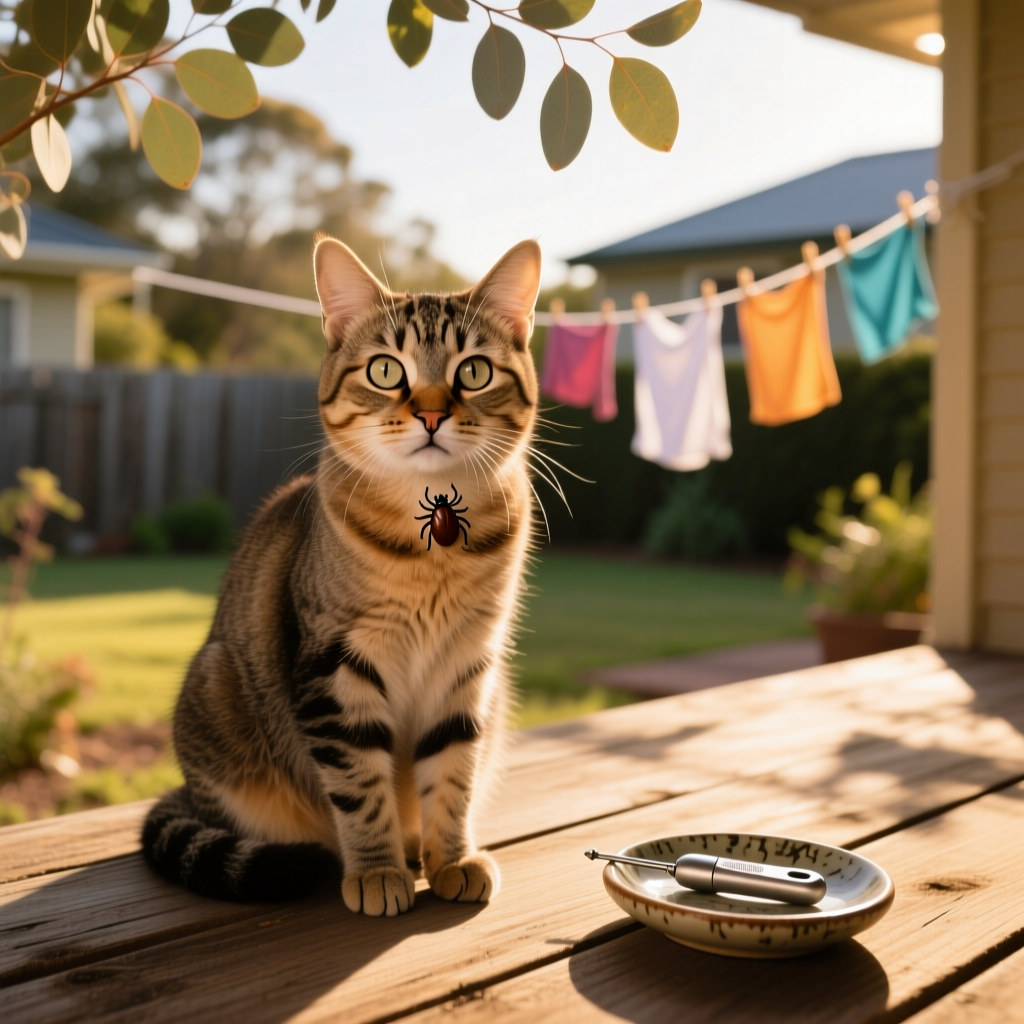
I Found a Tick the Size of a Sultana on My Blue Heeler – Here’s What Actually Worked
If you're losing sleep over paralysis ticks, this guide will help you break the cycle of stress, vet bills, and destroyed furniture.